UCP Overview
UCP (Universal Commerce Protocol) is an open standard for letting AI agents discover products, negotiate options, and execute transactions without brittle, one-off integrations. This site focuses on practical implementation, clear comparisons, and a living directory of UCP-aligned tools.
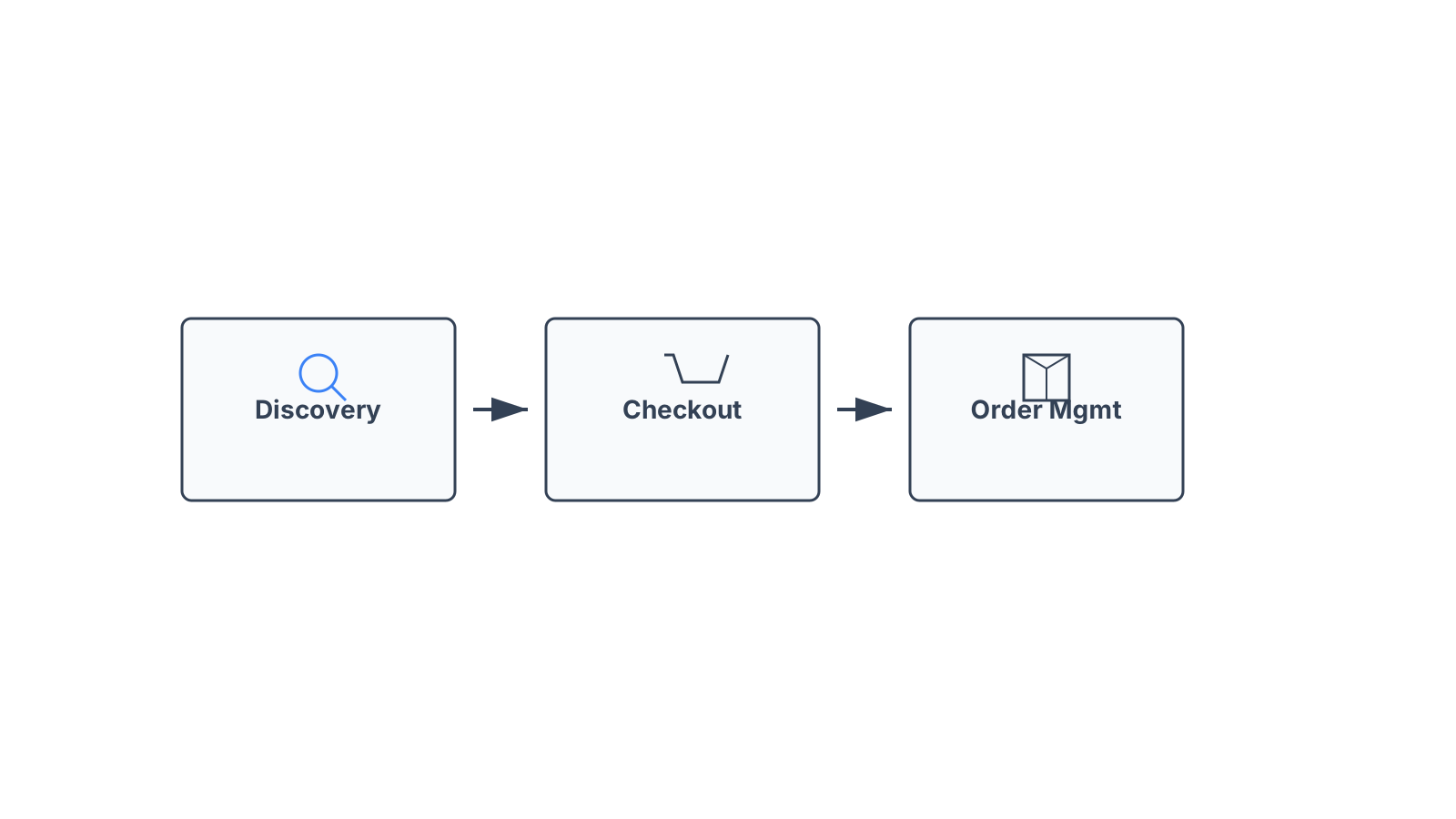
Figure: UCP lifecycle overview.
When to Use UCP
- You need an agent to complete real-world commerce tasks (book, buy, return).
- You want a standardized interface instead of custom APIs per merchant.
- You want a protocol that can coexist with other agent standards.
When Not to Use UCP (Yet)
- You only need read-only context from private data (use MCP instead).
- You are prototyping a closed, single-merchant agent with no plan to scale.
Core Capabilities
- Checkout: Quote pricing, confirm totals, and execute payment intent.
- Identity Linking: Connect users to merchant accounts safely.
- Order Management: Track, modify, and resolve orders.
Minimal Implementation Path
- Start with the Implementation Checklist.
- Implement a small UCP surface (one category, one flow).
- Add identity linking and order lifecycle only after checkout is stable.
How UCP Relates to ACP and MCP
- ACP focuses on agentic commerce interoperability.
- MCP focuses on context access for agents.
- UCP can work alongside both. See: UCP vs ACP, UCP vs MCP, and UCP vs ACP vs MCP.
Next Steps
- Follow the Implementation Checklist.
- Browse the Market Directory for example implementations.